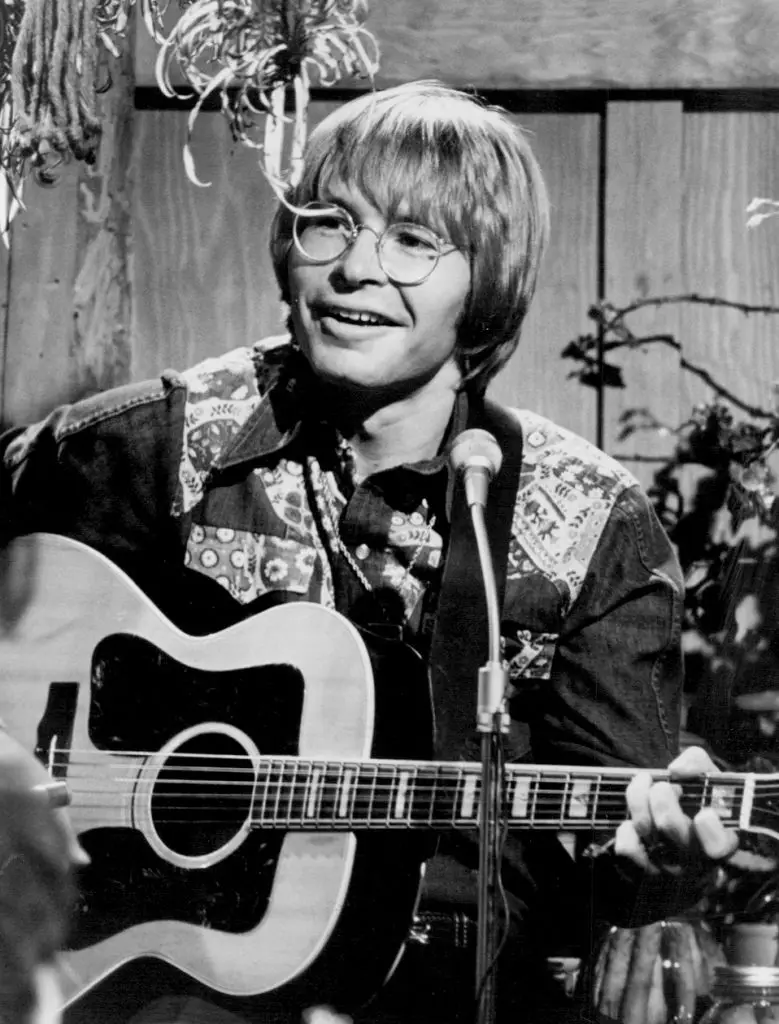
John Denver net worth at death is a question people ask because his songs still feel like they belong to everyone, yet little about his estate was ever laid out in public detail. Figures of roughly 20 million dollars circulate online, but that number has been repeated so often that its original source is hard to trace. It is best read as a ballpark, not a fact.
Who Was John Denver?
He was born Henry John Deutschendorf Jr. in New Mexico in 1943, took the stage name Denver after the Colorado city, and spent his early career with the Chad Mitchell Trio. His solo breakthrough came in the early 1970s, when a handful of warm, plain-spoken songs turned him into one of the best-selling artists of the decade.
He died on 12 October 1997 when the experimental light aircraft he was piloting crashed into Monterey Bay in California. He was 53.
John Denver Net Worth at Death: How He Built It
His wealth rested on several streams that overlapped through the 1970s and 1980s.
- Record sales. Albums like Poems, Prayers & Promises and Rocky Mountain High sold in huge numbers, and compilations kept selling for years.
- Songwriting royalties. He wrote many of his own hits, including “Take Me Home, Country Roads” (co-written with Bill Danoff and Taffy Nivert), “Annie’s Song” and “Rocky Mountain High”. Writers earn money every time a song is played, covered or licensed.
- Concerts and tours. He toured heavily in the United States and abroad.
- Television and film. He hosted television specials, made a Christmas project with the Muppets and appeared in the film Oh, God! in 1977.
Royalties After His Death
A catalogue like his does not stop earning when the artist does. “Take Me Home, Country Roads” has become a sports-stadium singalong and turns up in film and television, while “Annie’s Song” is a wedding staple. Publishing and recording rights usually pass through the estate to heirs or to companies that buy catalogues, so the real wealth of the estate has probably changed form since 1997.
Causes and Spending
Denver was well known for his work on environmental and hunger-related causes, and he put time and money into them. He also owned homes in Colorado, including the Aspen area, and spent heavily on flying, which was his passion. Large, expensive hobbies and charity commitments can shrink an estate, so a famous name does not guarantee a famous bank balance.
What We Actually Know About the Estate
Court filings after his death dealt with his will and with arrangements for his children, but a full, clear accounting was never widely published. That is why sites quote different totals. If you see one that sounds very precise, be sceptical.
How He Compares With Other Music Legends
Compare the picture with Dolly Parton’s net worth, which grew through business and publishing control, or Toby Keith’s net worth, built on touring and side ventures. Denver’s strongest asset was the songbook itself.
Why His Songs Still Matter Financially
Some catalogues fade, while others grow with every new use. “Take Me Home, Country Roads” is a good example: it has been revived by other artists, used in films and adopted as a singalong at sports grounds around the world. Every one of those moments can generate a licence fee or a performance royalty. That long tail is the main reason people still ask about his estate more than a quarter of a century after his death, and it explains why estimates keep being repeated and revised.
Frequently Asked Questions
How much was John Denver worth when he died?
Commonly quoted estimates are around 20 million dollars, but official details were not widely published, so this is approximate.
What was John Denver’s biggest hit?
“Take Me Home, Country Roads” is usually named as his signature song, along with “Annie’s Song” and “Rocky Mountain High”.
Do his songs still earn money?
Yes. Royalties from streaming, radio, sync licences and performances continue and go to the rights holders.
How did he die?
He died in a plane crash off the California coast in 1997. More reading is in the Celebrity Net Worth section.
All figures are estimates based on public reporting.
Featured image: John Denver 1975.JPG by ABC Television, Public domain, via Wikimedia Commons.