
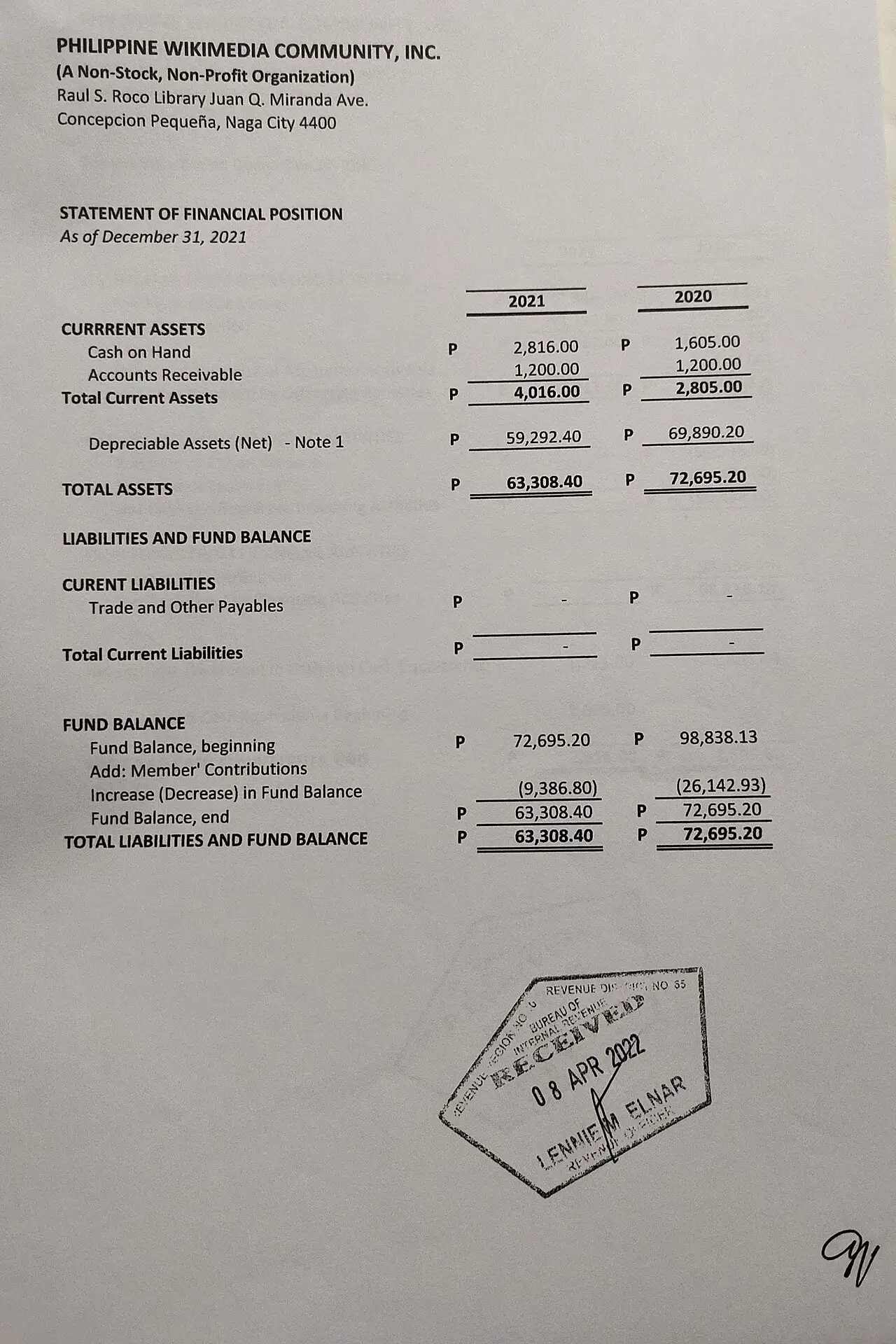
You do not need software or an accountant to learn how to find your networth. You need an hour, a list of your accounts and a willingness to look at the real numbers. The calculation is simple. The hard part, for most people, is gathering the information without flinching.
The formula in one line
Net worth equals what you own minus what you owe. Everything else is detail about what goes on each side.
Step 1: List what you own
Write down the current value of each asset. Use today’s balance or a fair market value, not what you paid.
- Cash in checking and savings accounts.
- Investments: brokerage accounts, funds, shares, bonds.
- Retirement accounts such as a 401(k) or IRA.
- Property: the market value of your home, and any land or rental property.
- Vehicles, at a realistic resale price.
- Business ownership, if you have one, valued conservatively.
- Valuables you could actually sell, such as jewellery or collectibles, at sale value.
A rule of thumb for everyday items
Furniture, clothes and electronics lose value fast. Most people leave them out or count them at a token amount, because the resale price is a small fraction of what they cost.
Step 2: List what you owe
- Mortgage balance.
- Car loans.
- Student loans.
- Credit card balances.
- Personal loans or money owed to family.
- Any tax bill you know is coming.
Step 3: Subtract
Add up each list and take the debts away from the assets. A negative result is common, particularly for younger people with student loans, and it is not a verdict on you. It is a starting point.
A worked example for how to find your networth
Suppose Maria owns a home worth three hundred and twenty thousand dollars and owes two hundred and ten thousand on the mortgage. She has forty-five thousand in retirement accounts, twelve thousand in savings, a car worth nine thousand with four thousand still owed, and six thousand on a credit card. Her assets come to three hundred and eighty-six thousand. Her debts come to two hundred and twenty thousand. Her net worth is one hundred and sixty-six thousand dollars. The numbers are invented, but the method is exactly the same for yours.
Step 4: Write it down and repeat
One figure is a snapshot. A trend is a story. Put the date and the result in a spreadsheet or notebook, and update it every quarter or twice a year. Watching the line rise, even slowly, is a quiet source of motivation.
Mistakes that distort the result
- Counting your house at the asking price. Use recent sold prices for similar homes nearby.
- Forgetting taxes on retirement money. Pre-tax accounts will be taxed on withdrawal, so some people discount them for a conservative view.
- Ignoring small debts. Buy-now-pay-later balances and store cards add up.
- Counting things you would never sell. The family piano is lovely. It is not an investable asset.
How often should you check?
Twice a year is enough for most households. Checking every week turns a long-term measure into noise, since market prices swing and your mood swings with them. Pick two dates, say the start of January and the start of July, and use the same list of accounts each time so the comparison stays fair. If something big changes, such as a house purchase or a new loan, do an extra update that month.
What to do with the number
Once you know it, the useful question is what moves it. Paying down high-interest debt raises net worth at a guaranteed rate. Steady contributions to investments raise it over time. Spending on things that lose value lowers it, which is not always wrong, but worth knowing. For context on where you stand, our guide to benchmarks by age helps, and this five-step version covers the same task with a slightly different layout.
The Federal Reserve publishes survey data on typical household wealth at its Survey of Consumer Finances page if you want to compare yourself with others of your age.
In short
Now you know how to find your networth: list assets, list debts, subtract, and track the result. It takes an hour, and it is one of the cheapest financial habits you can build.
General educational information, not personal financial advice.


