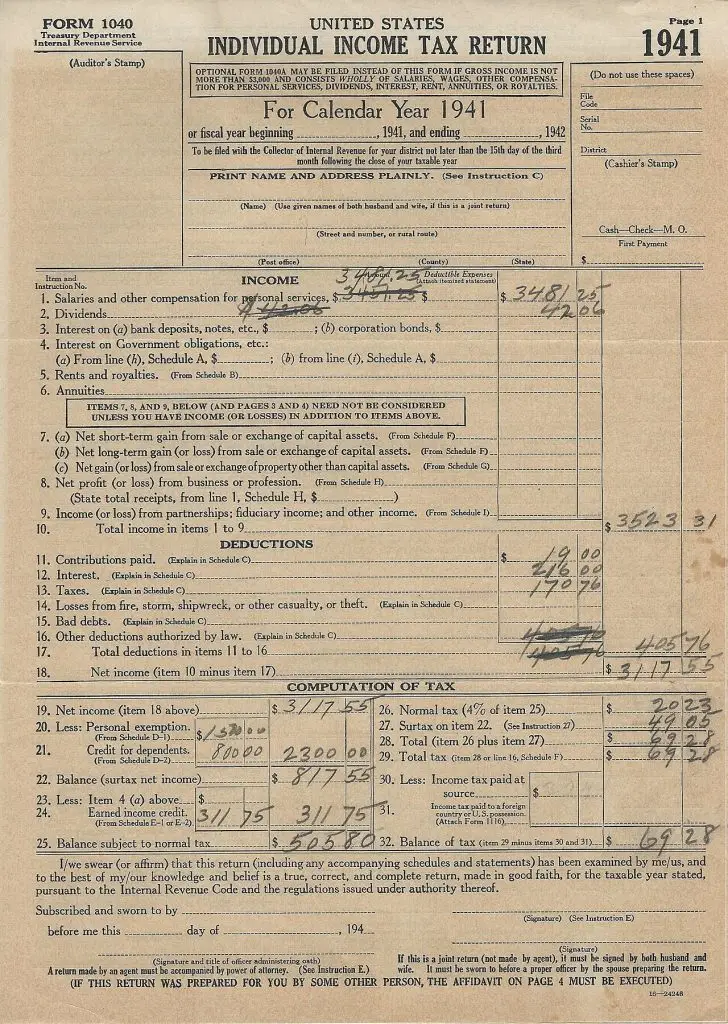
The main high networth individual tax issues come down to five areas: tax on investment income, the timing of capital gains, estate and gift tax, state residency and the complexity of owning businesses or property. Wealthy households do not just pay more tax; they face more rules, more choices and more ways to make costly mistakes. This overview is general education, and the details depend on your situation, so a qualified CPA and attorney should guide any real decisions.
1. Investment income is taxed differently from wages
Most wealth is not held in salary. Interest is generally taxed as ordinary income, while qualified dividends and long-term capital gains can be taxed at lower federal rates. Higher earners may also owe the 3.8% net investment income tax on certain investment income above thresholds, which start at $200,000 of modified adjusted gross income for single filers and $250,000 for married couples filing jointly. The Internal Revenue Service publishes the current rules and forms.
2. Capital gains timing
Selling a highly appreciated stock or a business can create a large one-time gain. Whether a gain is short-term or long-term matters, and so does the year in which it is recognized. Some investors use strategies like harvesting losses to offset gains, but these have rules, including limits on repurchasing the same security too quickly. Pushing a sale into the wrong year can raise the bill without anyone intending to.
3. Estate and gift tax
The federal estate tax applies only above a large exemption, which is set by law and adjusts over time. Under legislation passed in 2025, the exemption rises to $15 million per person beginning in 2026, but laws change, so verify the current figure. Estates above the threshold can face a top federal rate of 40% on the excess. Gifts during life interact with the same system, and annual exclusion amounts allow some gifts without paperwork. A number of states also have their own estate or inheritance taxes with much lower thresholds, which catches many families off guard.
4. State residency and multiple homes
Where you are legally a resident can swing your tax bill. States differ on income tax, property tax and estate tax. People with homes in two states may be audited over which one is their domicile, and the burden of proof is often on the taxpayer. Day counts, voter registration, driver’s license and where your records and valuables are kept all get examined.
5. Business ownership and complex income
Owners of closely held businesses, partnerships or rental real estate often deal with pass-through income, depreciation, basis tracking and special deductions that carry eligibility limits. Stock compensation adds another layer: incentive stock options can trigger the alternative minimum tax, and restricted stock has its own timing rules.
Common mistakes with high networth individual tax issues
- Ignoring basis records. Without cost basis you can overpay on a sale.
- Underpaying estimates. Large non-wage income may require quarterly payments, and penalties apply.
- Missing foreign account reporting. Overseas accounts can trigger separate filing duties with serious penalties.
- Assuming a trust solves everything. Trusts can help with probate or control, but they have their own tax rules and costs.
- Waiting until April. Many useful steps must happen before year-end.
Who counts as high networth in this context?
There is no single legal threshold. Banks and wealth managers often use $1 million in investable assets, while others set the bar at $5 million or $30 million for “ultra.” We explain the usual definitions in what high networth individual status means. Tax complexity usually rises with the kind of assets you hold, not just the total.
Finding the right help
A CPA who works with complex returns and an estate planning attorney in your state are the standard team. Ask about their experience with households like yours, how they are paid and whether they coordinate with your financial advisor. If you are weighing where to put money after tax, our overview of investment options for high networth individuals covers the broader menu.
The takeaway on high networth individual tax issues is that the rules reward planning and punish surprises. No article can tell you what you will owe or promise a particular outcome; a professional who sees your full picture can.
A practical checklist
- Gather basis records for investments, especially older holdings.
- Estimate this year’s income early and compare it with last year’s.
- Review state residency facts before any major sale.
- Update your will, trusts and beneficiary designations after major life changes.
- Meet with your CPA and attorney together at least once a year.
This article is general information, not financial advice.
Photo: U.S. Internal Revenue Service, Public domain, source.


