For families in Northeast Ohio with significant assets, estate planning is less about writing a will and more about a coordinated plan: how assets are owned, how they pass, how taxes are handled and how a business or property is kept in good shape. This guide to high networth estate planning cleveland explains the main building blocks and the questions to bring to a local attorney. It is general education and not legal advice, and laws change.
High networth estate planning cleveland: start with the tax picture
Federal estate tax
The United States has a federal estate tax on very large estates. Each person has a lifetime exemption, and amounts above it are taxed at a top rate of up to forty percent. The exemption was about $13.99 million per person in 2025, and under legislation passed in 2025 it is set at $15 million per person from 2026, with indexing for inflation afterwards. A married couple can generally combine exemptions through “portability,” which requires filing an estate tax return when the first spouse dies. Because tax law can change, check the current numbers with a professional.
Ohio has no estate tax
Ohio repealed its state estate tax for people dying on or after January 1, 2013. There is also no Ohio inheritance tax. That is an advantage over states that tax estates at lower thresholds. Ohio does have other matters to plan for, such as property transfers and probate procedures.
The core documents
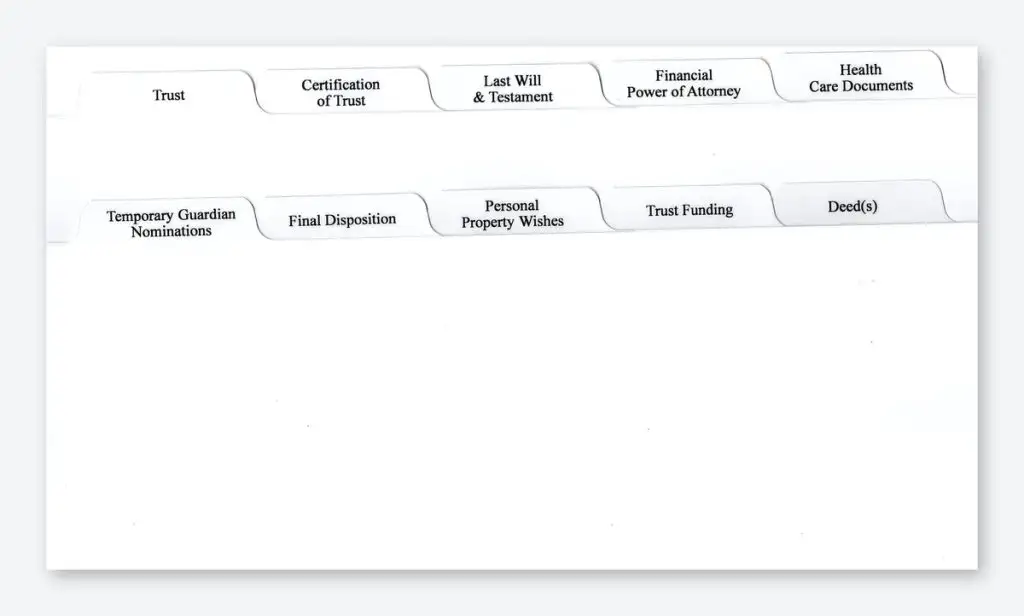
1. A will. It names guardians for minor children and an executor. In Ohio, it is filed with the probate court in the county where the person lived. For Cleveland residents that is the Cuyahoga County Probate Court. 2. A revocable living trust. It holds assets during life and distributes them after death, often avoiding the public probate process. 3. Durable power of attorney. It allows someone to manage finances if you cannot. 4. Health-care power of attorney and living will. They record medical decisions and wishes. 5. Beneficiary designations for retirement accounts and life insurance, which override the will and should be reviewed regularly.
Tools often used at higher net worth
Irrevocable trusts
These remove assets from your taxable estate in exchange for giving up control. Examples include life-insurance trusts and trusts for gifts to children or grandchildren.
Gifting strategies
The annual gift-tax exclusion allows tax-free gifts up to a set amount per recipient each year ($19,000 in 2025). Larger gifts use up part of the lifetime exemption.
Ohio-specific options
Ohio allows a transfer-on-death designation affidavit for real estate, which lets an owner name a beneficiary without a trust. Ohio also has a statute that permits domestic asset protection trusts, introduced in 2013, as a tool for some people who want creditor protection, although they are complex and need careful legal advice.
Charitable planning
Donor-advised funds, charitable remainder trusts and gifts to a family foundation can reduce taxes and support causes. Cleveland has a large community foundation sector, and local advisers often work with it.
Business succession
Many wealthy Northeast Ohio families own businesses. A succession plan can include buy-sell agreements, family limited partnerships and valuations that are updated regularly.
Probate in Cuyahoga County
If you die with assets in your name alone and without a trust, your estate usually goes through probate. The process involves filing the will, appointing an executor, inventorying assets, paying debts and distributing what remains. Probate is public, and it can take months. Revocable trusts and beneficiary designations help avoid it for covered assets.
How to choose an adviser in Cleveland
1. Look for an estate-planning attorney licensed in Ohio. The Ohio State Bar Association has certification programmes for estate planning and trust law. 2. Ask about experience with estates of your size and with business owners if relevant. 3. Ask how fees work. Estate planning is often charged at a flat fee for a defined package or on an hourly basis. 4. Coordinate with your accountant and financial adviser. Tax and investment decisions interact. 5. Meet more than one, and choose someone who explains things in plain language.
Mistakes to avoid
- Out-of-date documents. Review after births, deaths, marriages, divorces, moves and tax changes.
- Beneficiary conflicts. A former spouse listed on a retirement account can override your will.
- Unfunded trusts. A trust only works for assets that have been retitled into it.
- Ignoring digital assets. Passwords and online accounts need instructions.
- No plan for incapacity.
A realistic timeline
A basic plan can be drafted in a few weeks. More complicated plans, especially those involving businesses and trusts, can take several months, since they require valuations and coordination.
In summary
For high networth estate planning cleveland, the main points are that the federal estate tax applies above a large exemption, Ohio has no state estate or inheritance tax, and a coordinated set of documents and strategies can reduce taxes and avoid confusion. Speak to a local attorney about your specific situation. This article is for information only and is not legal or tax advice.
More to read
- TechCrunch Disrupt 2026: What Founders Get From Going
- TechCrunch 2025: Disrupt, Startup Coverage and What It Showed
Image credit: JohnAnselmo1 via Wikimedia Commons (CC BY-SA 4.0).