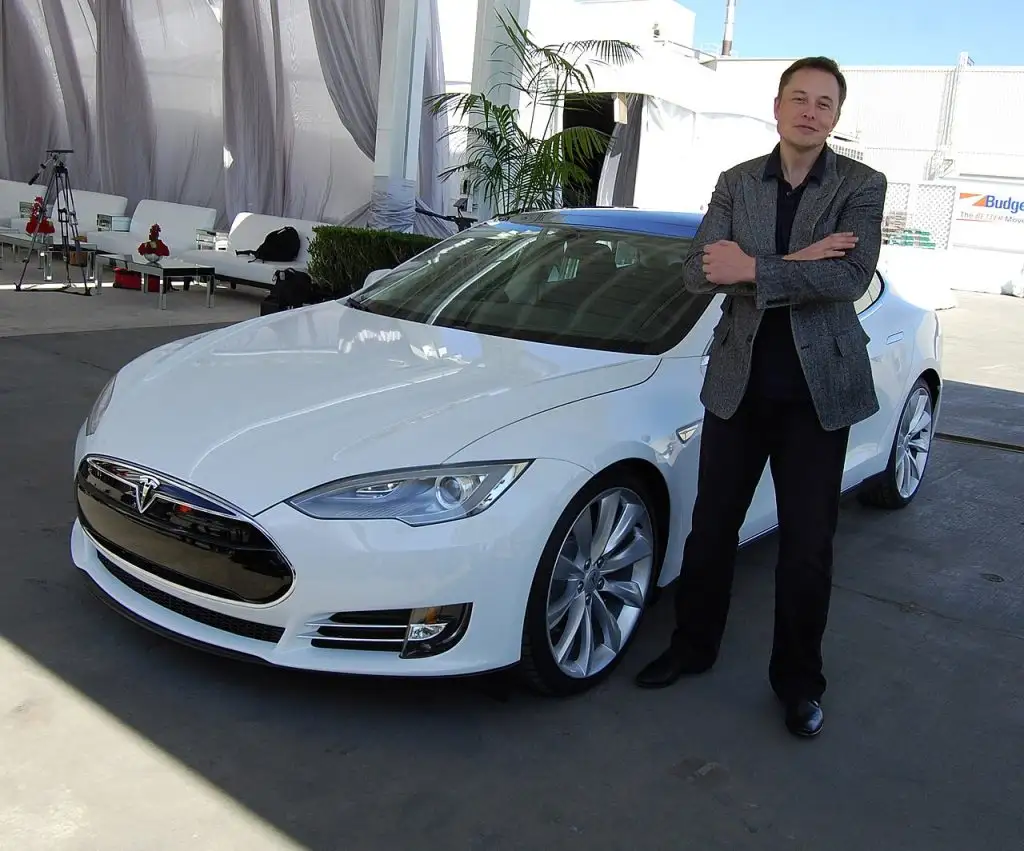
Here’s the quick version of Elon Musk networth in 2015: Forbes put it at roughly $11 to $12 billion that year, and other trackers landed in a similar band, around $10 to $13 billion. That was a long way from the hundreds of billions he’s associated with today, and it makes 2015 a useful snapshot of an earlier stage of his career.
What the world looked like in 2015
Tesla was a growing but still loss-making car company. The Model S was selling, the Model X was about to launch, and the Gigafactory in Nevada was under construction. SpaceX was a private rocket company that had begun carrying cargo to the International Space Station for NASA and was working on reusable boosters. It was also the year a Falcon 9 rocket failed during a resupply mission in June. Those events shaped how investors valued his stakes.
Where the 2015 estimate came from
Tesla shares
Musk’s Tesla stake was worth several billion dollars at the time, based on the stock price. Back then he held a much larger percentage of Tesla than the shares that make up his fortune today, though the company itself was much smaller.
SpaceX
In January 2015, Google and Fidelity invested about $1 billion in SpaceX, in a deal that valued the company at around $12 billion, according to reports at the time. His ownership share was large, which pushed up estimates of his wealth.
SolarCity
He was chairman and a major shareholder of SolarCity, the solar installer, which Tesla later acquired in 2016. Its stock contributed a smaller portion of his wealth.
Why Forbes and others differed
Even then, outlets disagreed because private-company stakes can’t be priced exactly. A figure of $11 billion on one list could be $13 billion on another, depending on how SpaceX was valued and how pledged shares were treated. That uncertainty hasn’t gone away; if anything it has grown.
| Year | Reported scale |
|---|---|
| 2015 | Roughly $10 to $13 billion |
| Late 2025 | Above $500 billion per Forbes |
How to check historical lists
Forbes keeps archives of its annual billionaires lists, so you can look up the 2015 ranking directly. Start from Forbes’ billionaires pages and navigate to the archive for that year. Always cite the year and the outlet, because the same year can show different numbers on different lists.
What changed afterwards
Tesla’s share price rose dramatically in the following years, especially in 2020 and 2021, when its value surged. SpaceX’s valuation also grew with successful reusable launches and the Starlink satellite internet business. Both factors lifted his fortune by orders of magnitude. The big lesson from comparing Elon Musk networth in 2015 with later years is that wealth tied to growth companies can scale very fast, and also drop fast.
Takeaway
If you’re researching Elon Musk networth in 2015 for a school assignment, a news piece or just out of curiosity, say that he was estimated at around $11 to $12 billion by Forbes and that estimates varied slightly by source. For biographical context, the Wikipedia page for Elon Musk includes a timeline. We’d recommend double-checking against the Forbes archive for the exact figure you want to quote.
For perspective, even the lower end of that range would have made him one of the wealthiest few hundred people on the planet in 2015.
Why it matters for comparisons
People often compare the 2015 figure with today’s to show how fast his wealth grew. That’s fair, but be careful about inflation and about what each list counted. A billion dollars in 2015 bought more than it does now, and methods for valuing private companies have changed. Also, the stake sizes were different, because Musk has sold or pledged shares at various times, and Tesla has issued new shares. All of that means a simple multiple tells only part of the story.
Another thing to remember is that in 2015 the story was about whether Tesla could survive and scale. Few outlets predicted the later boom, which is a reminder that estimates of any year are snapshots, not forecasts. We’d also encourage readers to keep a note of the date and source whenever they save a number, because that small habit makes it easy to recheck later and avoids repeating outdated figures in conversation or in writing. It takes seconds and prevents most mistakes.
This article is for general information only and is not financial advice.