There’s no publicly reported figure for bricks and minifigs company networth, and we won’t invent one. Bricks & Minifigs is a private business, understood to be a retail and franchise brand built around secondhand building bricks and minifigures, so it doesn’t publish financial statements the way a listed company does. What follows is a guide to how a business like this is valued and where you could find real numbers.
The business in brief
As we understand it, the company runs stores, many of them franchised, that buy, sell and trade used toy bricks and minifigures, along with new products and hosted play or events. We haven’t verified current store counts, ownership or revenue, so please check the company’s own website and franchise disclosures for up-to-date facts. The key point is that resale retail has its own economics: inventory is bought cheaply from the public, sorted and resold at a markup.
What "net worth" means for a company
For a business, people use the term loosely, and it can mean three separate things:
- Book value (equity): total assets minus total liabilities on the balance sheet.
- Enterprise or market value: what a buyer might pay for the whole business, usually a multiple of profit or sales.
- Franchise system value: the combined revenue of all franchised stores, which is not the same as what the franchisor itself earns.
Mixing these up is the most common error. A franchise chain with many stores can show large system-wide sales while the parent earns only royalty fees, typically a percentage of each store’s revenue.
How a resale retailer makes money
Inventory and margins
Used goods are bought at low prices and resold at a higher price. Gross margin can look healthy, but sorting, cleaning, grading and pricing take staff time. Slow-moving inventory ties up cash.
Franchise fees and royalties
For a franchisor, income comes from initial franchise fees, ongoing royalties and sometimes marketing contributions or product supply. These are usually disclosed in a Franchise Disclosure Document, which US franchisors must provide to prospective buyers.
Collector-market exposure
Demand for particular sets and minifigures can rise and fall with collector trends, new releases and licensing. That makes inventory values less predictable.
Where to find real data
- The Franchise Disclosure Document (FDD): Item 19 sometimes includes financial performance information, and Item 21 contains the franchisor’s audited statements. Request it directly from the company.
- State franchise registries: Some US states publish FDDs for registered franchisors.
- The Federal Trade Commission: Its franchise rule guidance explains what must be disclosed and when.
- Business press: Local news or trade publications sometimes report on growth and store openings.
- Court and lien records: Available via state or county offices if you want to check legal issues.
If you’re thinking of investing or buying a franchise
Ask for the FDD at least 14 days before signing anything, which is the standard under US rules. Talk to current and former franchisees, not just the ones the company recommends. Compare reported sales with your expected costs, including rent, staff, inventory, royalties and your own pay. Have a lawyer and accountant who know franchising review the documents.
Note too that the toy brand’s name, "LEGO," belongs to another company, and independent resellers are separate businesses. Any claim of an official relationship should be checked.
Why we can’t offer an estimate
Without audited financials or credible press coverage, any figure would be speculation. A rough way analysts value small retail franchisors is a multiple of annual earnings before interest, taxes and depreciation, but that requires data we don’t have. You can read more about valuation approaches at Investopedia.
Bottom line
The accurate answer on bricks and minifigs company networth is that it isn’t public. To learn more, request the franchise disclosure documents, check the company’s own announcements and speak to people who operate stores.
A few extra checks for buyers
If you’re a customer instead of an investor, a different set of checks applies. Compare prices with online marketplaces, ask how items are graded, and see whether the shop has a return policy for incomplete sets or missing parts. Used-brick buyers also care about hygiene, so ask how pieces are cleaned and sorted. Those practical details say more about the quality of a local store than any headline figure about bricks and minifigs company networth.
This is general information, not financial advice.
Related reading
- What Is Trippie Redd’s Networth? Earnings From Streams, Tours and Merch
- Akwa Okuko Tiwara Aki Networth: What We Can Say
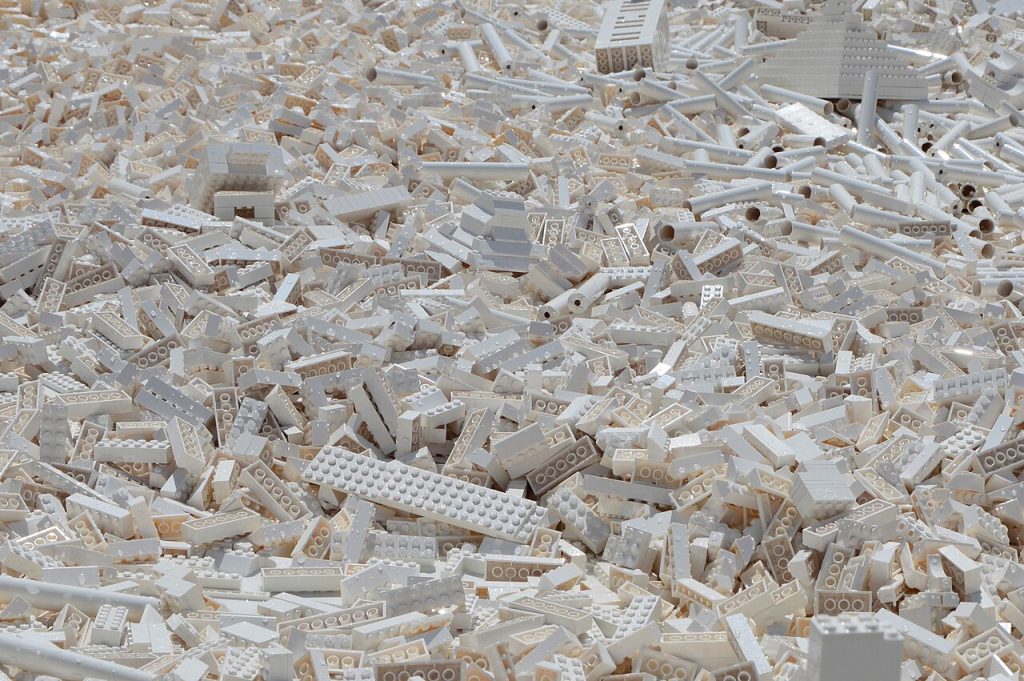
Photo: Spielvogel, CC BY-SA 4.0, via Wikimedia Commons