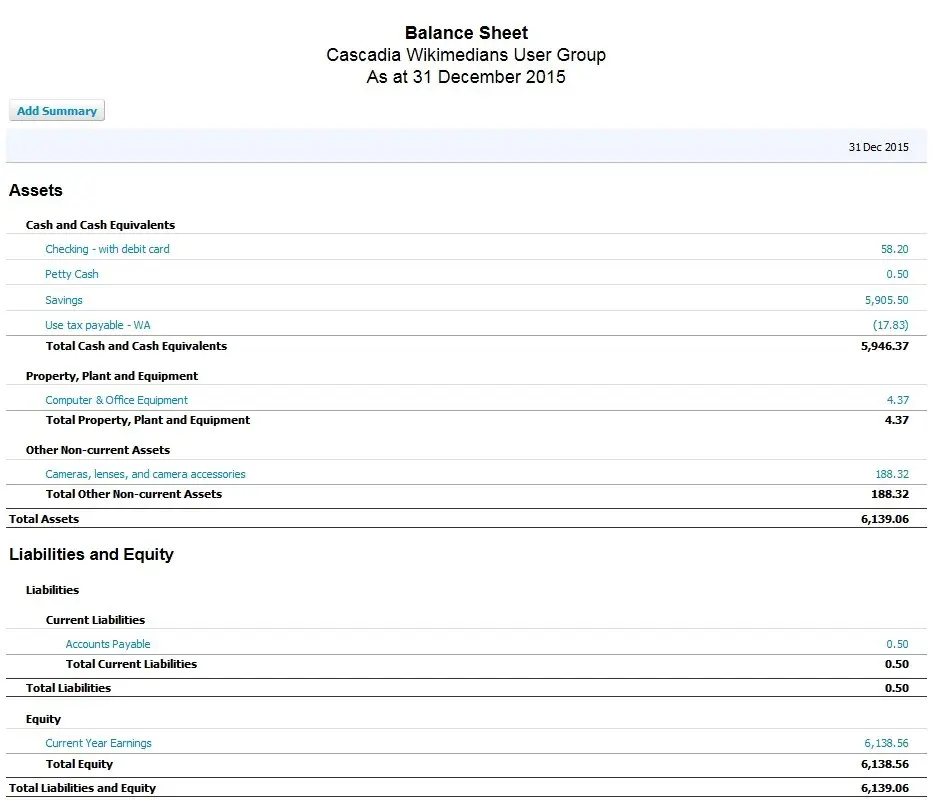
An assets liabilities and networth form is a one-page snapshot of your finances: what you own, what you owe, and the difference. Banks ask for it when you apply for a loan, and it is also a very good habit to fill one in once a year just for yourself. Below is how to complete it without losing an afternoon.
What the form is for
Lenders use it to see whether your property and savings comfortably cover your debts. Some landlords, visa offices and business funders ask for one too. For you, the benefit is clarity. Many people have no idea whether they are moving forward until they write it down.
The layout
Most versions have three blocks. You can build one in a spreadsheet in ten minutes.
Block one: assets
List everything of value, with today’s estimated worth.
- Cash and bank balances
- Savings and fixed deposits
- Investments such as shares, funds and bonds
- Retirement accounts
- Home and other property (at realistic market value)
- Vehicles
- Business ownership
- Valuables such as jewellery or art
Block two: liabilities
List everything you owe, with the balance outstanding today.
- Mortgage
- Car loan
- Student loan
- Credit card balances
- Personal loans
- Tax owed
- Money owed to family or friends
Block three: net worth
Total assets minus total liabilities. That is it.
A tiny worked example
Suppose someone has 12,000 in savings, a car worth 8,000 and a home worth 200,000. That is 220,000 in assets. They owe 150,000 on the mortgage, 5,000 on the car and 2,000 on a card, so 157,000 in liabilities. Net worth is 63,000. The figures are illustrative only.
Tips for filling it in honestly
1. Use current values. Check your latest statements, not what you paid years ago.
2. Be conservative on the house. Look at recent sales of similar homes nearby.
3. Separate liquid from illiquid. A lender wants to know how much could be turned to cash quickly.
4. Include everything you owe. Leaving out a debt can be treated as misrepresentation on a loan form.
5. Date it. Net worth statements are snapshots.
Questions people ask
Do I include my spouse’s items?
It depends on the form. Some are individual, others joint. Read the heading and label things clearly if you are filling it in together.
Should retirement savings count?
Usually yes, but some lenders mark them as restricted because of penalties for early withdrawal. List them and note the restriction.
What about things I own jointly?
List your share, or the whole item with a note, depending on the instructions.
Do I need supporting documents?
Often yes. Banks may ask for statements, valuations or tax returns to match the figures you declare.
Mistakes that cause trouble
- Rounding everything to a nice figure when statements show something different.
- Counting a home at the price an agent hoped for instead of a realistic one.
- Forgetting small debts such as store cards and buy-now-pay-later plans.
- Treating future income or an expected inheritance as an asset.
- Mixing business and personal items.
Using it as a yearly check-up
Fill the form in on the same date each year, such as your birthday or the start of the tax year. Put the numbers next to last year’s. If assets are rising faster than debts, you are going the right way. If not, the gap tells you where to look.
You can set targets as well. For example, aim to cut credit card balances to zero first, since those typically carry the highest interest, then build cash reserves.
Where to find reliable templates and guidance
Official consumer finance agencies often provide worksheets and explanations. The Consumer Financial Protection Bureau has free tools for budgeting and understanding debt, and its material is a good complement to any form a lender hands you. If a lender gives its own format, use theirs, because it will match what their staff expect.
A short word on accuracy
It is tempting to polish the numbers when you are hoping for approval. Resist it. A realistic assets liabilities and networth form protects you from borrowing more than you can handle, and it saves awkward questions later when the lender verifies what you wrote. This is general information, not financial advice.
Related reading: Megan Love Is Blind Networth: What We Can Actually Say.


