
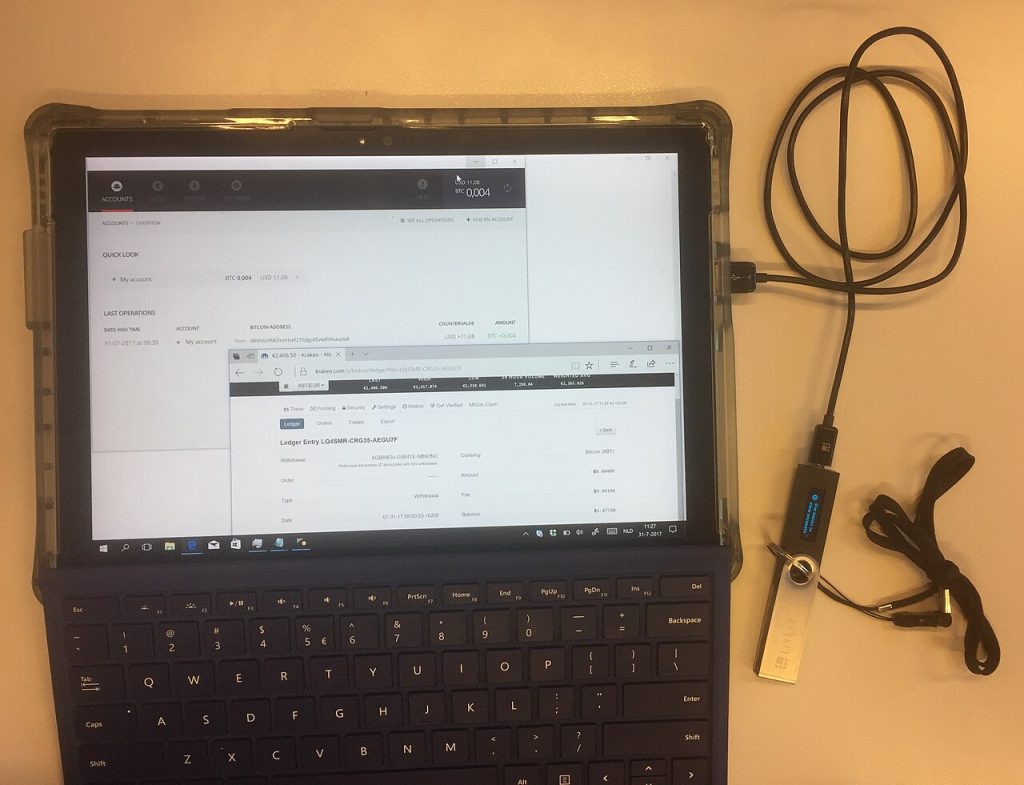
Anyone who holds cryptocurrency for long enough hears the same advice: keep it off exchanges and put it in a hardware wallet. It is good advice in general. But the phrase ‘offline’ sometimes gives people more confidence than it should. Good hardware wallet security means knowing both the strengths and the limits of the device, and understanding both will keep your funds safer.
What a wallet really holds
Despite the name, a crypto wallet doesn’t store coins. The coins exist on a blockchain, which is a shared public ledger. What the wallet stores is the private key, a secret number that proves you control a particular address and lets you authorize transfers.
A simple way to picture it: the blockchain is a public safe-deposit room, and the private key is the only key that opens your box. Anyone can see that the box exists, but only the keyholder can open it.
Whoever has the private key controls the funds. There is no bank to call and no reversal button. That is why protecting the key matters more than anything else, and why hardware wallet security starts with how the key is kept.
How hardware wallet security works
A hardware wallet is a small, dedicated device that generates and stores your private keys internally. When you want to send crypto, your computer or phone builds the transaction and sends it to the device. The device signs it with the key and returns the signed result. The key itself never leaves the device.
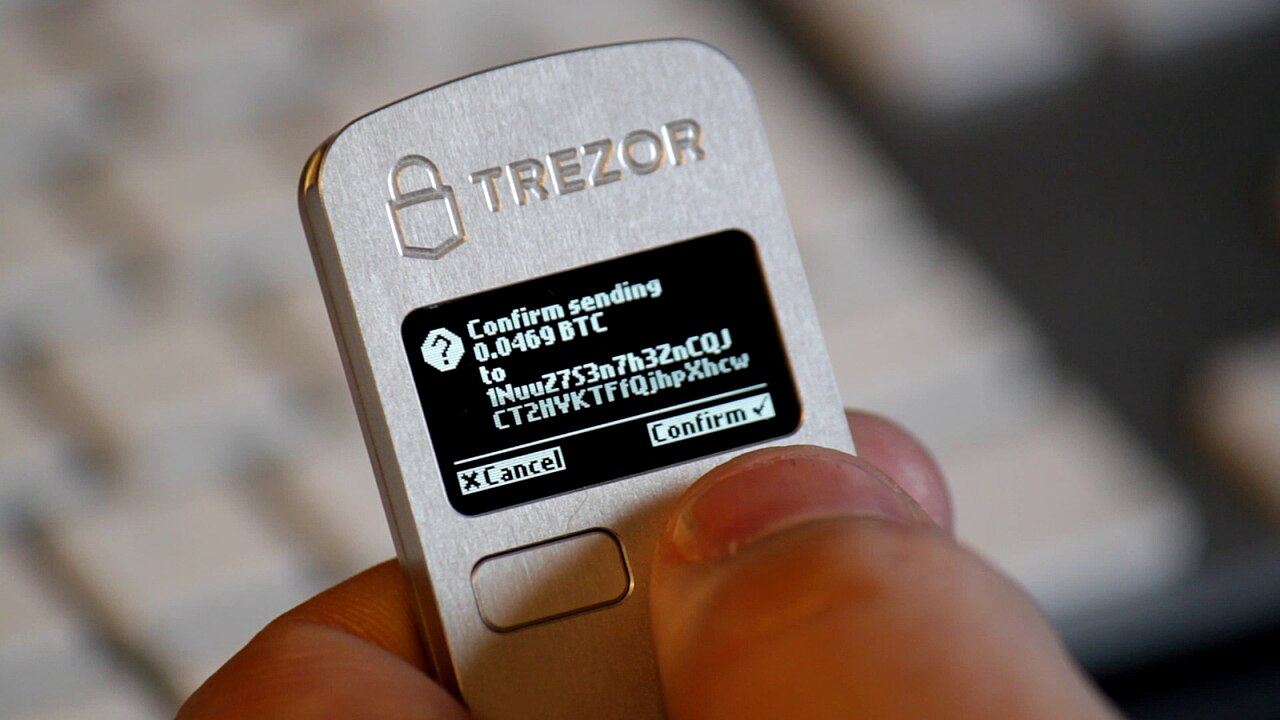
This design limits a common attack. If your computer is infected with malware, the malicious software can’t read a key it never sees. The device’s screen also lets you confirm details like the destination and amount directly, outside the possibly compromised computer.
The recovery phrase
When you set up a wallet, it gives you a list of words, usually twelve or twenty-four, called a recovery or seed phrase. This phrase can rebuild all your keys if the device is lost or broken. It is also a master key, so anyone who gets it can take everything.
Rules for handling it are strict:
- Write it on paper or metal, not in a photo or cloud note.
- Never type it into a website or app, no matter who asks.
- Store copies in secure, separate places, such as a safe.
- Don’t let anyone, including ‘support staff’, ask for it. Legitimate companies never do.
Where hardware wallet security can fail
Offline storage reduces risk. It doesn’t remove it. The failure points tend to fall into a few groups.
- Human error. Phishing sites that imitate wallet apps, fake support messages, and fake recovery tools trick people into revealing their phrase. This is the most common route to losses.
- Software bugs. The device’s firmware, the companion app, or the libraries they depend on can contain flaws. Vulnerabilities in key generation, for instance, can weaken the secrecy of keys.
- Supply chain tampering. A device bought from an unofficial reseller may have been altered, or may come with a pre-filled recovery phrase on a card. Buy directly from the manufacturer.
- Physical attacks. Someone with the device and enough time and skill may be able to extract data. A PIN and a limited number of attempts offer protection, but they aren’t absolute.
- Blind signing. If you approve a transaction or contract you can’t read on the device’s screen, you may be authorizing something you didn’t intend.
That last one matters more as people interact with complex applications. The device can only protect you from what it displays clearly. Strong hardware wallet security depends on you reading the screen every time.
Sensible habits for hardware wallet security
- Buy from the manufacturer’s official store.
- Keep firmware up to date, using the official app only.
- Verify addresses and amounts on the device’s screen, not just on your computer.
- Use a small test transaction when sending to a new address.
- Consider an extra passphrase if the device supports it, and understand the risk of forgetting it.
- Split large holdings across more than one wallet.
None of these habits is hard. The challenge is doing them every time, including the day you are tired or in a hurry, because that is when mistakes happen and when scammers time their messages. Good hardware wallet security is mostly about consistency.
What if the company disappears?
Because your funds live on the blockchain, a manufacturer closing down doesn’t erase them. With your recovery phrase, you can generally restore your keys using other compatible wallets. That portability is one of the strongest reasons to use standards-based wallets and to keep your phrase safe.
A balanced view
Hardware wallets are among the best tools available for personal custody. They shut off a lot of everyday attack routes, and they put control in your hands. But responsibility comes with that control. A flaw in the device, a mistake in handling, or a convincing scam can still empty an account, and nobody can reverse it.
The best protection is layered: a trustworthy device, careful habits, a protected phrase, and a healthy suspicion of anything that asks you to approve something you don’t fully understand. Treat hardware wallet security as a routine you practice, not a product you buy once and forget.
For a neutral background reference, the Wikipedia article on Cryptocurrency wallet is a useful place to start.
Related reading: Microloans for Small Businesses: How They Work and Who They Help and Where Venture Fund Money Comes From Before a Startup Sees It.


