If you are wondering what was mansa musa networth, the honest answer is that nobody can say for sure. Some popular lists have floated a figure around $400 billion in modern money, but historians who study the Mali Empire say his wealth cannot be turned into a clean dollar amount. Still, the number tells you something real: he may have been the wealthiest person who ever lived.
Quick answer: what was Mansa Musa networth in today’s money?
The figure you will see most often is an estimate of roughly $400 billion, first spread widely by a Celebrity Net Worth article around 2012. That article itself admitted the number was a rough guess, because Musa’s riches were never counted in dollars, shares or bank balances. Treat it as a headline, not an audited result.
Why do historians shrug at the figure? Because a ruler’s wealth in the 14th century was not a portfolio. It was land, people, trade routes, gold mines and the loyalty of provinces. You cannot easily price those, and you cannot compare them with a modern billionaire who holds stock in a listed company.
Who was Mansa Musa?
Mansa Musa ruled the Mali Empire in West Africa in the early 1300s, with his reign usually dated from about 1312 to about 1337. The empire covered a huge stretch of territory across the western Sahel and controlled some of the most valuable trade of its age.
Two commodities carried the empire: gold and salt. Mali sat on or near major gold-producing regions, and gold was in demand across North Africa, the Middle East and Europe. Taxing and managing that trade made the empire extremely rich.
The pilgrimage that made him famous
Musa’s fame outside Africa comes mostly from his hajj, the pilgrimage to Mecca, in 1324. He travelled with an enormous caravan. Accounts from the period describe thousands of attendants and a great quantity of gold, and he gave so freely along the way that, according to Arab writers, the price of gold in Cairo fell for years afterwards.
Take those stories with a little care. They come from chroniclers who wrote later, and the exact numbers of people and the weight of gold differ between sources. The broad picture, a ruler so rich that his spending shook a regional market, is widely accepted.
Why the number is so hard to pin down
- No balance sheet. There are no tax records or accounts that survive in a form that would let anyone total his assets.
- Different kinds of wealth. Gold, land, livestock, trade income and the labor of subjects are not the same kind of asset.
- Money then and now. Adjusting for inflation across 700 years is close to meaningless, because prices, goods and economies were so different.
- State versus personal. In an empire, the ruler’s personal fortune and the state treasury were not clearly separate.
What did he do with the wealth?
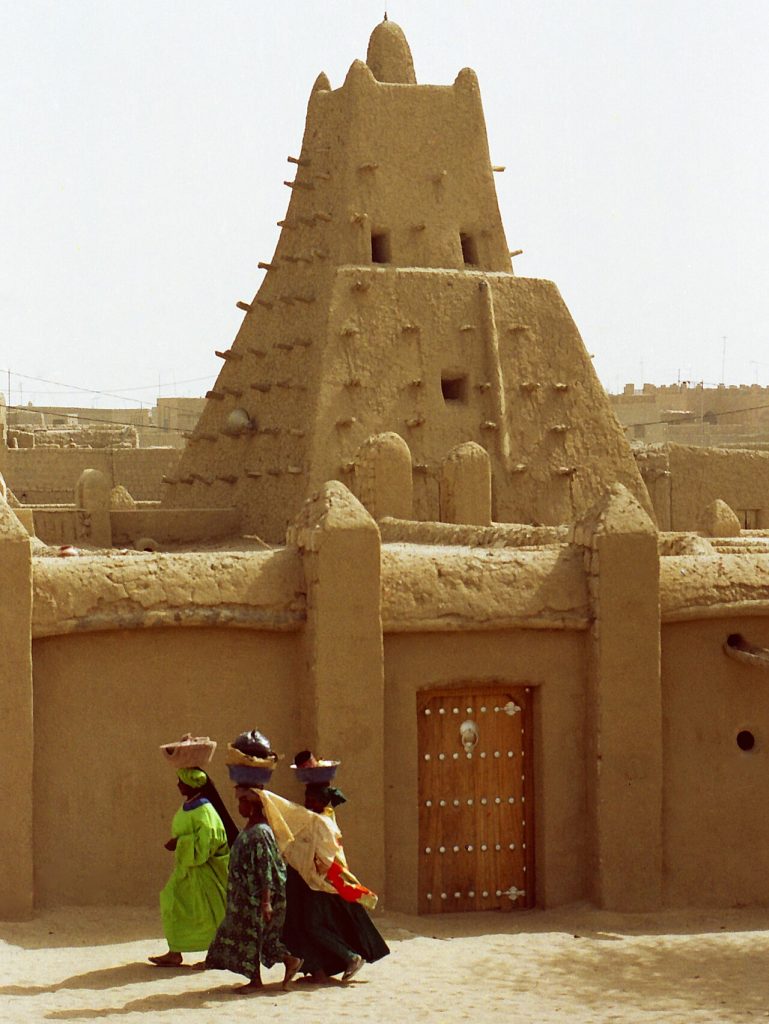
Beyond the pilgrimage, Musa is remembered for investing in learning and building. Timbuktu grew into a center of scholarship during and after his reign, and he is associated with the construction of mosques and the strengthening of centers of education. Many of these details are still debated, but his legacy in West African history is not in doubt.
Is he really the richest person ever?
It is a popular claim and a fair talking point, but “richest ever” is hard to prove. Other rulers, such as Roman emperors or Chinese dynasties, also controlled vast resources. A better way to say it is that Mansa Musa is among the strongest candidates, and that is why his name keeps coming up whenever people compare historic fortunes with modern billionaires.
Frequently asked questions
Did Mansa Musa really have $400 billion?
No source can confirm that. It is a modern estimate that tries to translate his holdings into present-day dollars, and it should be read as a symbol of scale.
How does he compare with today’s billionaires?
Modern lists, such as those compiled by Forbes, count assets like shares and cash that can be priced daily. That makes them far more precise, but it also means the two groups cannot be compared fairly.
Where did his gold come from?
The Mali Empire controlled or taxed trade from major West African gold regions, which, together with salt, formed the base of its wealth.
Why this question matters
The fun of asking what Mansa Musa was worth is that it forces you to think about what wealth actually is. A modern net worth is assets minus debts on a specific date. For a medieval emperor, wealth meant power over land, trade and people. If you enjoy comparing fortunes, you can browse more money explainers on our home page, or read broader background on the empire through Forbes coverage of historic and modern wealth.
Figures here are estimates and historical interpretations, not financial advice.