The question what is the worlds networth sounds philosophical, but there is a practical way to answer it: add up everything that households around the world own and subtract what they owe. Economists and banks do exactly that every year, and the result is a very large number that is worth understanding properly.
Which “world net worth” do you mean?
There are several different totals, and mixing them up is the most common error.
1. Global household wealth: the net worth of all adults, including property, savings, pensions and investments, minus debts. This is what UBS, which now publishes the report once produced by Credit Suisse, calls global wealth. 2. Global financial assets: stocks, bonds, deposits and similar holdings, measured without subtracting debts. 3. Total wealth of nations: a broader measure that includes government assets, natural resources and what economists call human capital. The World Bank has produced reports on this. 4. Billionaire wealth: the combined fortunes of the world’s richest individuals, a tiny slice of the total.
What is the worlds networth? The headline number
The UBS Global Wealth Report estimated household wealth worldwide in the region of $450 trillion to $600 trillion in recent editions, depending on the year, with growth driven by rising asset prices and exchange-rate movements. To give a sense of scale, the combined annual output of the whole world, measured by GDP, has been reported by the International Monetary Fund at around $100 trillion to $110 trillion. In other words, global household wealth is several times larger than a year of world production, which is normal because wealth is built up over many years.
Check the newest edition of the report if you need a current figure, because the number moves with markets and currencies.
How it is calculated
Researchers combine several sources.
- Household balance sheets from national statistics and central banks in countries where they exist.
- Surveys of household finances, such as the Survey of Consumer Finances in the United States.
- Models that estimate wealth in countries where data are thin, using income, property and financial-market information.
- Rich lists to adjust for the very top, since surveys often miss the wealthiest households.
The result is an estimate, with a margin of uncertainty, particularly for lower-income countries.
Who owns it
The distribution is lopsided. According to UBS and earlier Credit Suisse reports, a minority of adults hold the majority of wealth. Millionaires made up only a small percentage of the world’s adult population but owned a large share of total wealth, while a very large number of adults held modest amounts. Wealth inequality between countries is also large: North America, Western Europe and parts of Asia-Pacific account for most of the total.
What makes it rise and fall
- Asset prices: when stock markets and property prices rise, wealth rises with them.
- Exchange rates: the figures are reported in US dollars, so a stronger or weaker dollar changes the total even if nothing real changes.
- Debt: growing mortgages reduce net wealth.
- Savings and growth: long-term saving and economic expansion lift the total slowly.
Why wealth and GDP are different
GDP is a flow: what is produced in a year. Wealth is a stock: what has accumulated. A country can have high wealth but modest current output if it owns lots of old assets, and the reverse can also be true. Mixing them in a sentence like “the world is worth $100 trillion” is a common mistake.
How to write about it correctly
A clear statement would be: “According to the UBS Global Wealth Report, global household wealth was estimated at about $X trillion in the most recent year reported.” Fill in the number from the latest edition and name the year.
Where to check the latest figures
- UBS Global Wealth Report, published annually.
- IMF World Economic Outlook for GDP.
- World Bank publications on the wealth of nations.
- National statistical offices for individual countries.
Conclusion
So, what is the worlds networth? The best short answer is several hundred trillion dollars of household wealth, a number that is estimated, dated and dependent on how you define wealth. Quote the source, give the year and keep GDP and wealth separate, and you will be both accurate and easy to understand.
More to read
- Venture Capital News: How to Read Funding Headlines
- TechCrunch 2025: Disrupt, Startup Coverage and What It Showed
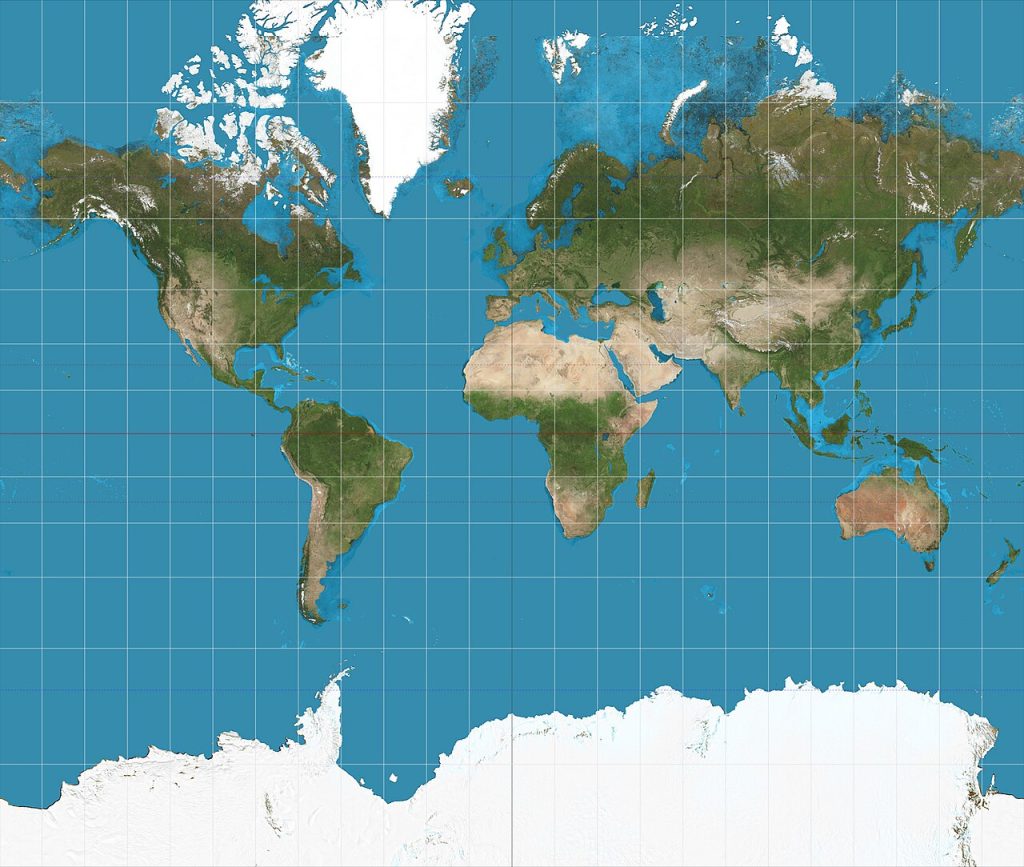
Image credit: Strebe via Wikimedia Commons (CC BY-SA 3.0).