
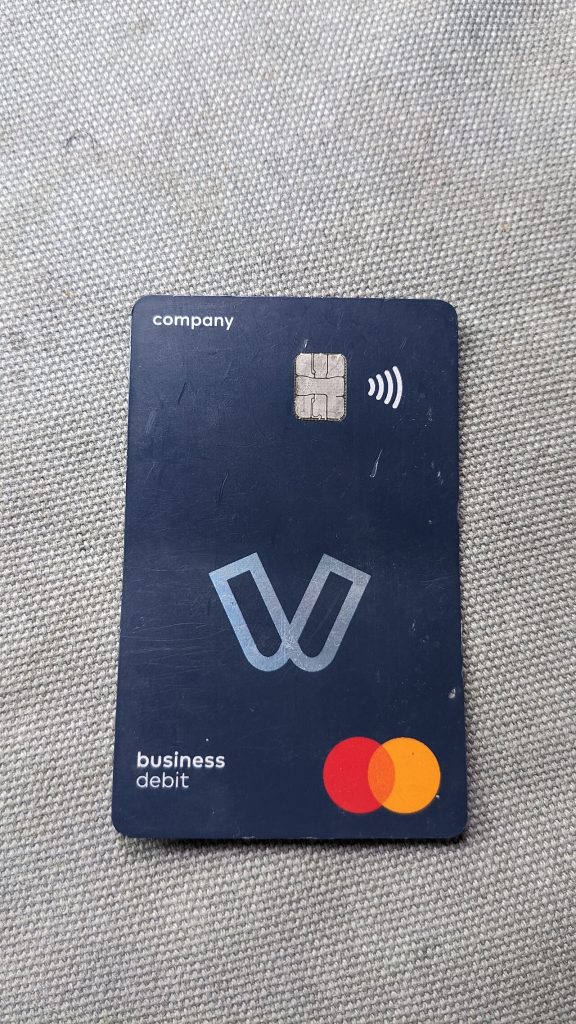
Credit cards from big technology and finance brands sometimes come with built-in help for people whose credit is not yet strong. The promise is simple: use the card well, follow the plan, and in a few months your score may look better. These programs can be useful, but they rest on the same rules that govern every credit score. Knowing those rules lets you judge any offer, whoever sponsors it.
What a credit score measures
Scoring models turn your credit history into a number that lenders use to estimate risk. Although formulas differ, five factors appear in almost all of them.
- Payment history. Whether you pay on time. This is usually the biggest factor.
- Amounts owed. How much of your available credit you use. Lower use looks better.
- Length of history. How long your accounts have existed.
- New credit. How many recent applications and new accounts you have.
- Credit mix. The variety of accounts, such as cards and instalment loans.
No program can change these basics. It can only help you do the right things more consistently.
What a credit-building program usually offers
Programs vary, but typical features include:
- Reminders and tools that make it easy to pay on time.
- Suggestions to pay early in the month to lower the balance reported to the credit bureaus.
- Dashboards that show your utilisation and a rough preview of how a payment might change it.
- Options to split balances into scheduled payments.
These are helpful nudges. Whether your score rises depends on your actions and on how the issuer reports to the credit bureaus.
Utilisation: the quick lever
Many people can improve a score within a couple of billing cycles by lowering utilisation, which is your balance divided by your limit. If your limit is 1,000 and your reported balance is 800, utilisation is 80 percent, which looks risky. Paying it down to 200 brings it to 20 percent. Many guides suggest staying under 30 percent, and lower is better.
Because card issuers often report your balance on the statement date, paying before that date can make the reported number smaller even if you pay in full later.
Habits that build lasting credit
1. Pay every bill on time. Set up autopay for at least the minimum, and pay the full balance when you can. 2. Keep balances low relative to limits. 3. Avoid applying for several new accounts in a short period. 4. Keep old accounts open if they have no annual fee, since they add to your history. 5. Check your credit reports regularly for errors, and dispute mistakes with the bureau.
You are entitled to check your reports from the main bureaus, in many countries at no cost. Errors are common enough to be worth a look.
Watch the costs
A card is a loan. If you carry a balance, interest can quickly outweigh any benefit. Look at the annual percentage rate and any fees. Do not spend more just to build credit; you can build it with a single small purchase each month paid in full.
Also be wary of companies that promise to “fix” your credit for a fee. Legitimate steps, such as disputing errors and paying on time, are things you can do yourself.
How long it takes
Short programs can show a quick improvement if the main issue was high utilisation or a recent late payment. Deeper problems, like collections or missed payments from years ago, fade slowly. A late payment can stay on a report for years, though its effect lessens over time.
Expect progress over months, not days. A realistic goal is steady, visible movement in your score and in the terms lenders offer.
Who benefits most
- People with a thin credit file who are starting out.
- Those recovering from a period of high balances.
- Anyone who wants help automating good habits.
If you already pay in full and keep utilisation low, the program may add little.
Bottom line
A credit-building program is a helpful coach, but your behaviour does the real work. Pay on time, keep balances low, avoid unnecessary applications, and check your reports. Judge any card by its rate, fees, and reporting practices, not by the brand name on the front.
Further reading
Related on this site: Pay in 4: How Buy Now, Pay Later Installments Really Work and Revenue-Based Financing Explained: A Funding Option for Online Businesses. For general background, see the Wikipedia overview.


